

Gynecomastia surgery
Consultations offered at our two convenient locations in Florham Park, NJ and Somerville, NJ
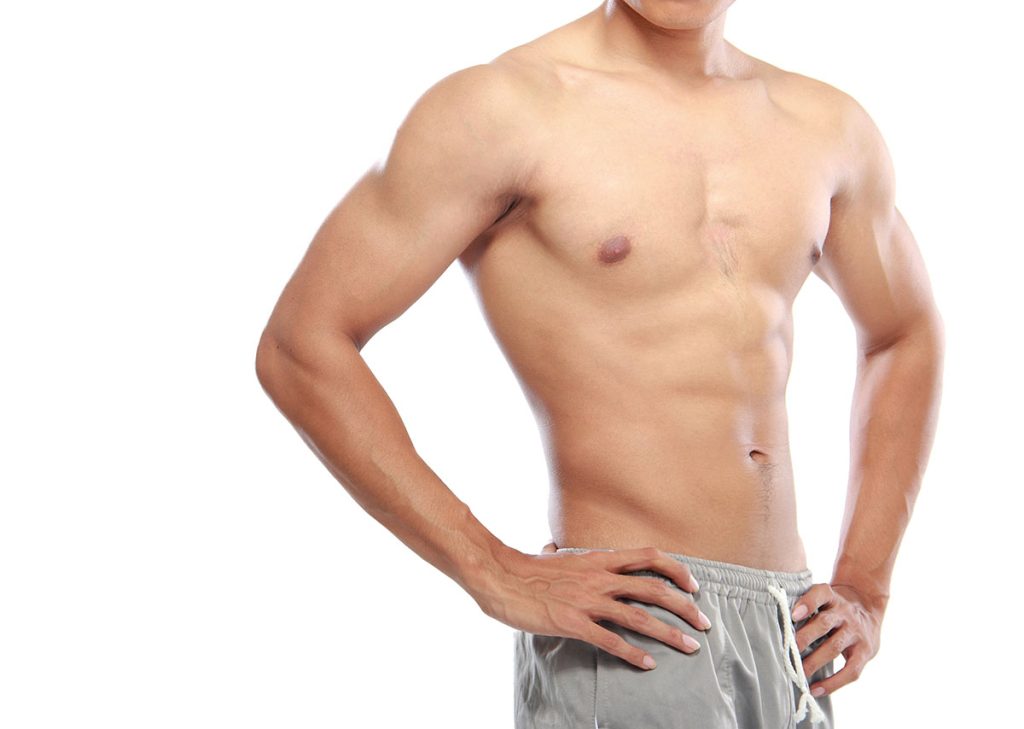
Gynecomastia surgery is a procedure that can reduce the appearance of enlarged male breast tissue.
Fatty or enlarged glandular tissue on the chest can create the appearance of rounded breasts on men, even if you work hard to sculpt your physique through dieting and regular exercise. When this condition persists, it is known as gynecomastia.
At The Peer Group, our team of plastic surgeons can help you recontour your chest to achieve a flatter, more masculine sculpt. Each of our plastic surgeons is board-certified and offers extensive experience in medicine. When you are working with your team, you are not just working toward enhancing your appearance, but also toward feeling more confident in your skin.
To start working with our team, please contact us online. Alternatively, you may call the office most convenient for you:
- Florham Park, NJ: (973) 822-3000
- Somerville, NJ: (973) 822-3000
Contents
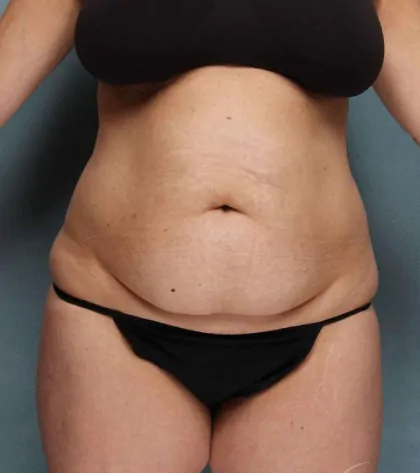
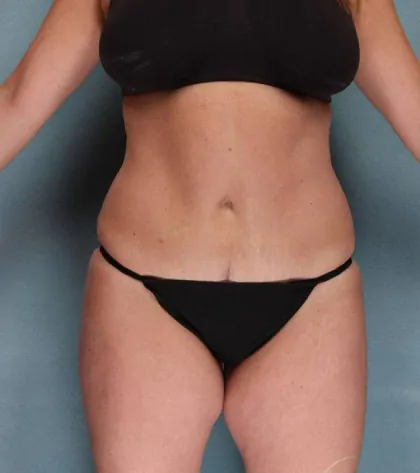
Before and After Photos


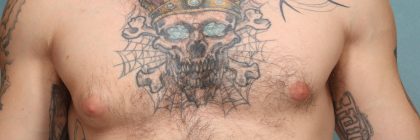
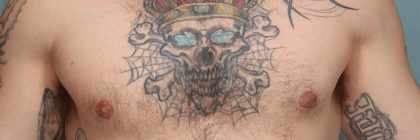
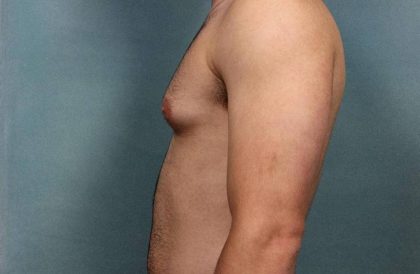
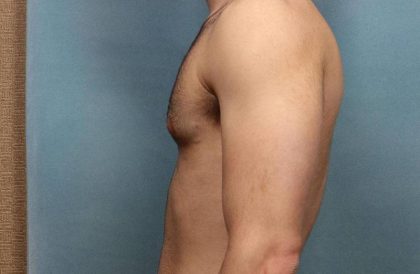
About Gynecomastia Surgery
Gynecomastia surgery is a procedure that can create traditionally masculine contours on the chest to address the appearance of gynecomastia, or enlarged breast tissue in men.
Gynecomastia is a relatively common disorder that develops as a result of imbalanced testosterone and estrogen levels in men, but it can also result from weight fluctuations, medications, or genetics. (1)
Some men–such as those going through puberty–often find that their gynecomastia resolves on its own as their natural body chemistry balances, while others find that weight gain or a medical condition causes excess breast tissue to develop and persist. Regardless of the reasoning, our team of plastic surgeons can determine the root cause of your gynecomastia and develop an appropriate treatment plan.
Benefits
Gynecomastia surgery offers several transformative benefits. Some of these include:
- More Masculine Contours: The primary benefit of gynecomastia surgery is its ability to create a smoother and flatter sculpt in the chest.
- Improved Silhouette: You can enjoy a more proportionate figure after reducing the excess volume from your chest—which can contribute to a more desirable appearance overall.
- Lasting Results: Gynecomastia surgery yields lasting effects, with many of our former patients experiencing permanent improvements.
- Tailored Solutions: Our team of surgeons designs each procedure around your specific anatomy and aesthetic goals to ensure your results meet your expectations.
- Elevated Self-Confidence: Resculpting the appearance of your chest can improve how you feel about yourself and your appearance, especially when you are in public or social situations.
Candidates
You may be an ideal candidate for gynecomastia surgery if you possess enlarged breast tissue that will not respond to medications, weight loss methods, or regular exercise.
To qualify for gynecomastia surgery, you should be in good general health and maintain realistic expectations regarding the results of your treatment. You should also be nonsmoking or willing to quit using nicotine. Your surgeon will determine your candidacy for this procedure during your consultation.
Personal Consultation
Each patient has unique needs and goals, which is why you will need to attend a personal consultation before scheduling your procedure. During this consultation, your surgeon will meet with you individually to discuss what gynecomastia surgery consists of, the different techniques available, as well as the benefits and limitations of the procedure. They will then assess your candidacy by conversing with you about your medical history, concerns, and aesthetic goals. They will also perform a physical evaluation to examine your natural anatomy and breasts. Your surgeon will then use this information to help you determine the most effective plan of action for each of your needs.
To schedule your consultation and receive your personalized solution, please contact us online or call the office most convenient for you:
- Florham Park, NJ: (973) 822-3000
- Somerville, NJ: (973) 822-3000
Preparation
Once you have scheduled your gynecomastia surgery, you will need to start preparing for it. To help, your surgeon will give you a set of personalized pre-operative instructions. They may instruct you to:
- Undergo lab testing or imaging to ensure you are physically fit.
- Refrain from taking any medications or supplements that may thin your blood.
- Arrange transportation to and from your procedure.
- Prepare to take time away from your work and other commitments.
- Fill any medications or prescriptions you may need ahead of time.
By following each instruction, you can ensure a safe procedure, speedy recovery, and optimal results.
Procedure
When you arrive for your procedure, a member of our team will lead you to a private treatment room where you will meet with your surgeon. They will reconfirm the details of your treatment plan with you before cleansing your skin and administering general anesthesia. Your surgeon will then begin performing liposuction to remove your excess breast tissue.
Your surgeon will place several small incisions on the lower outside “corners” of the chest or within the areolae. Each incision is small and positioned to ensure inconspicuous and discreet scarring. After this, your surgeon will inject a tumescent solution consisting of lidocaine, epinephrine, and saline into the fatty deposits to swell your fat cells for easier removal. (3) Your surgeon will then insert a cannula through these small incisions and begin moving it back and forth to remove excess fat and other tissues through the incisions, reshaping and resculpting your chest in the process. Once they have completed each of your desired corrections, your surgeon will carefully close each incision and transfer you to rest in our recovery suite.
Liposuction
Liposuction is a body-contouring procedure that can remove fat from around the body to resculpt its appearance. This procedure can also be referred to as suction-assisted lipectomy and consists of using a suction cannula to emulsify and aspirate excess fat deposits that will not respond to traditional dieting or exercise. Liposuction can address most areas of the body where excess fatty tissue is present, but many patients choose to address areas such as the abdomen, flanks, lower back, hips, thighs, and more. (2) Your surgeon can use liposuction to remove the excess fat and tissue from your chest, leaving it smoother, flatter, and more toned in the process.
Recovery
Your recovery after your gynecomastia surgery will depend on the specific techniques your surgeon used during the procedure. You should expect to experience some post-surgical discomfort, bruising, and swelling around the treatment area, no matter the degree of correction. These side effects will obscure the results of your procedure for a bit, but they will resolve in a matter of days.
While you are waiting for the swelling to go down, you should rest to give your body proper time to heal. This means taking time off from work and social activities outside the house. It is also very important to avoid intense exercise, as well as any physical exertion–such as lifting and carrying boxes or other heavy objects–for about six weeks after gynecomastia surgery. Your surgeon may advise you to engage in some easy walking after a couple of days in order to keep your blood moving and promote healing.
Your surgeon will provide a full set of post-operative instructions during your consultation. These instructions will guide you throughout your recovery and help you return to your routine safely.
Results
You will be able to see improvements in your chest immediately after your procedure, but the full, refined results will become more noticeable once any residual swelling subsides.
Your chest will appear smoother, flatter, and more sculpted– each of which can contribute to a more masculine physique. Your new contours can also restore the balance between your chest and the remainder of your body to create a more desirable silhouette overall.
The results of gynecomastia surgery are long-lasting, with results you can enjoy for years. You can maintain your gynecomastia surgery results best by committing to a healthy lifestyle and maintaining a stable weight. Gaining significant weight in the future can undo the benefits of the procedure and add unwanted volume to the chest area.
Cost of Gynecomastia Surgery in Morristown, New Jersey
If you are curious about the cost of your gynecomastia surgery, you should ask about your pricing during your initial consultation. Our team can explain what you can expect in terms of cost—as well as other details—after establishing your unique treatment plan. The Peer Group additionally offers financing options for those who qualify.
To learn more about the pricing of your personalized procedure, please contact us online or call the office most convenient for you:
- Florham Park, NJ: (973) 822-3000
- Somerville, NJ: (973) 822-3000
FAQ
What causes gynecomastia?
Gynecomastia can result from many different factors, but an imbalance of testosterone and estrogen in men primarily causes it. This change can stem from medications, hormonal changes, or medical conditions. In other cases, gynecomastia may be genetic.
Can my gynecomastia resolve on its own?
Your gynecomastia may resolve on its own over time, but persistent cases may require further treatment.
Can my surgeon combine my gynecomastia surgery with another procedure?
Yes, your surgeon can combine your procedure with another for more comprehensive results.
Will my gynecomastia return after undergoing gynecomastia surgery?
This condition can return in certain cases. By seeking the guidance and expertise of a medical professional, you can determine the cause of your gynecomastia and work toward a long-term solution for your concerns.
References
- Vandeven HA, Pensler JM. Gynecomastia. PubMed. Published 2020. https://www.ncbi.nlm.nih.gov/books/NBK430812/
- Wu S, Coombs DM, Gurunian R. Liposuction: Concepts, safety, and techniques in body-contouring surgery. Cleveland Clinic Journal of Medicine. 2020;87(6):367-375. doi:https://doi.org/10.3949/ccjm.87a.19097
- Bartow MJ, Raggio BS. Liposuction. PubMed. Published 2022. https://www.ncbi.nlm.nih.gov/books/NBK563135 /