

DIEP Flap Reconstruction
Consultations offered at our two convenient locations in Florham Park, NJ and Somerville, NJ
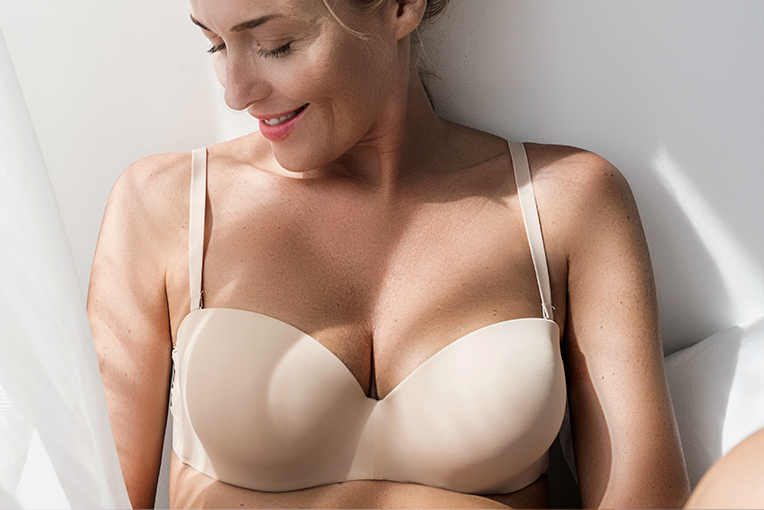
DIEP flap reconstruction is an analogous breast reconstruction procedure that uses skin and fat from the lower abdomen to create a new, natural-feeling and natural-looking breast. The DIEP flap–or deep inferior epigastric perforator–is named after the blood vessels that run from the abdominal muscle through the fat and into the skin. Designed for individuals who have undergone or are planning a mastectomy–whether to treat breast cancer or as a preventive measure–this advanced and popular procedure offers an effective approach to breast reconstruction. At The Peer Group in New Jersey, our experienced board-certified plastic surgeons have refined the DIEP flap procedure to restore a natural-looking breast while preserving abdominal muscle strength and supporting a smoother return to an active lifestyle. With a personalized approach to breast reconstruction, we tailor each procedure to your anatomy, needs, and goals.
To learn more about your breast reconstruction options, call (973) 822-3000 or contact us online to schedule a consultation.
Contents
About DIEP Flap Reconstruction
The DIEP flap procedure is a form of autologous breast reconstruction. The DIEP flap is named after the deep inferior epigastric perforator blood vessel, which runs from the abdominal muscle through the fat and into the skin. Rather than relying solely on implants, this technique uses a patient’s own tissue–specifically skin and fat taken from the lower abdomen–to reconstruct the breast mound.
How DIEP Flap Reconstruction Works
During this procedure, your surgeon harvests skin and fat from the lower abdomen and transfers them to the chest area. The surgeon meticulously reattaches the blood vessels supplying the tissue and shapes the transferred tissue to rebuild the breast mound. Unlike traditional abdominal flap techniques that sacrifice abdominal muscle strength, the DIEP procedure leaves the rectus abdominis muscles intact. Because this autologous approach uses the patient’s own tissue, the reconstructed breast offers a natural look, feel, and contour, effectively restoring pre-mastectomy chest profiles. (1)
Benefits
A DIEP flap procedure provides several key advantages compared to conventional breast reconstruction options. Because this procedure relies on the patient’s own abdominal tissue instead of implants, it eliminates implant-related concerns such as rupture, leakage, or the long-term necessity of replacement revision surgery. This procedure also spares the abdominal muscles entirely, putting patients at a significantly lower risk of complications such as core weakness or hernias than traditional TRAM flap procedures. Patients also benefit from a less painful, quicker recovery than a traditional TRAM flap. The possibility of regaining breast sensation offers profound, life-changing psychological benefits. (2) For many individuals, DIEP flap reconstruction provides the most natural-looking and feeling breast reconstruction available. This autologous approach allows breast cancer survivors an opportunity to regain sensation and to feel “whole” again following mastectomy. (2)
Ideal Candidates
Ideal candidates for DIEP flap reconstruction are individuals in good overall health who require a mastectomy and have enough lower abdominal fat to build a natural breast mound. Factors that may limit candidacy include prior abdominal surgery, such as a tummy tuck or TRAM flap, because specific vital blood vessels have previously been removed from the donor site. Additionally, if you have low body fat, you may not have enough tissue to receive the procedure. If your surgeon determines that you do not have enough abdominal fat to receive a DIEP flap, you may qualify for an alternative such as:
- Reconstruction with different types of flap, like PAP flap, LTP flap, or TUG flap.
- Stacked flap reconstruction, which builds each breast by using two separate flaps.
- Hybrid breast reconstruction, which uses a flap of tissue along with a small breast implant to rebuild the breast.
- Fat grafting to further add volume after reconstruction surgery.
Personal Consultation
Since every breast reconstruction patient is different, we will develop a surgical plan together at a thorough consultation. Your plastic surgeon can work with you at any stage, whether you are planning before your treatment, have recently had a breast removed, or want new contours long after your successful mastectomy or lumpectomy.
During this consultation, your plastic surgeon will assess your lower abdominal tissue and medical history to design a natural tissue-based breast reconstruction. Your surgeon will conduct a medical review, evaluating your cancer history, prior abdominal or breast surgeries, radiation exposure, and smoking habits (if applicable). They will then perform a comprehensive physical exam, checking your lower abdominal fat volume, skin laxity, and core strength to ensure that you have enough healthy tissue and blood vessels. With all this information, they will develop a comprehensive, tailored treatment plan and answer any questions you have.
Realistic expectations are essential to achieving a successful outcome. Our expert medical team will guide you through all suitable treatment options, outlining what to expect regarding the procedure process, recovery timeframe, potential risks, and pricing.
To learn more about your breast reconstruction options, call (973) 822-3000 or contact us online to schedule a consultation.
Preparation
Certain breast reconstruction techniques require adequate tissue, while others are ideally performed only if certain treatments, such as radiation therapy, are complete. For this reason, we encourage patients considering breast reconstruction to consult with us as early as possible in their course of treatment. Ideally, your plastic surgeon should be there alongside the breast surgeon at the time of the initial lumpectomy or mastectomy to be able to guide the initial phase of reconstruction and keep as many options as possible available. If you are an ideal candidate, our medical team will schedule a CT angiogram to map the tiny blood vessels (perforators) in your abdomen. (1) Our medical team will provide clear, detailed preoperative instructions customized to your health profile and treatment plan. Following preoperative instructions will help ensure the procedure’s success and safety.
Procedure
The DIEP flap procedure generally takes four to six hours or longer, depending on whether the procedure involves one or both breasts, though it may be longer if it occurs simultaneously with a mastectomy.
Your surgeon will begin by making an incision in the lower abdomen to remove a tissue flap that includes skin, fat, and blood vessels. The abdominal incision for DIEP flap reconstruction leaves a horizontal hip-to-hip scar, positioned roughly one-third of the distance between the pubic bone and the belly button. (1) After making the incision, they will then transfer the harvested tissue to the chest to form either one or two new breasts. Using a microsurgical technique, your surgeon will attach the tiny blood vessels. They will then secure the new breast(s) into place and close the incisions in the chest and abdomen.
Additional steps to the surgery may be required if you are receiving a stacked DIEP flap procedure or hybrid breast reconstruction. Typically, surgeons place surgical drains in the abdominal and chest incisions to remove fluid buildup; these are usually removed within two to four weeks.
In certain cases, surgeons may be unable to complete a DIEP flap because of the position or flow of abdominal vessels. Before the procedure, your surgeon will discuss the possibility of altering the surgical plan mid-operation if necessary. In such cases, they may transition to an alternative surgical option, such as a SIEA flap, a TRAM flap, or an APEX flap.
Recovery and Results
DIEP flap reconstruction typically requires a hospital stay of two to four days, where our team will monitor the flap to ensure it’s getting a sufficient blood supply. Healing from this procedure can take between six and eight weeks. Since the procedure is performed on both your chest and abdomen, your overall recovery may take longer and feel more intense than recovering from a standalone mastectomy or implant-based reconstruction. (3)
You will have incisions on your lower abdomen, breast(s), and surrounding your navel. If your surgeon removed axillary lymph nodes, an additional incision under your arm may also be present. Additionally, surgical drains may be placed in both your abdominal donor area and your reconstructed breast to manage fluid during healing. To support a smooth recovery, our medical team will provide detailed post-op instructions, including recommendations for caring for the dressings, sutures, and surgical drains.
You should avoid heavy lifting and exercise for about six weeks. However, light walking is encouraged to support blood flow. Recovery is gradual, and it may take a year or longer for your tissue to heal and scars to fade.
Cost of DIEP Flap Reconstruction in New Jersey
The cost of your DIEP flap reconstruction depends on several factors.We will work with your insurance company to confirm your current benefits and plan terms. During your consultation, you will receive a comprehensive cost estimate. For questions about payment and coverage, please refer to our financing page.
FAQ
What is the difference between a DIEP flap and a TRAM flap?
A DIEP flap preserves the abdominal wall muscles, whereas a traditional TRAM flap removes a portion of the muscle. By sparing the muscle, the DIEP flap reduces the risk of an abdominal hernia during recovery and helps maintain long-term core strength. (2)
What is the DIEP flap recovery timeline?
During the first two to three weeks of recovery, focus on rest and walking with a slight forward bend. Most patients can resume light daily activities within four to six weeks. With surgeon approval and by following your care instructions, you can typically return to strenuous exercise and normal routines within six to eight weeks after your procedure.
How long is the hospital stay after a DIEP flap reconstruction procedure?
Most patients stay in the hospital for two to four days after their procedure so our medical team can monitor them and ensure proper blood flow to the affected areas.
References
- Ben Aziz M, Rose J. Breast Reconstruction Perforator Flaps. PubMed. 2022. Accessed August 31, 2026. https://www.ncbi.nlm.nih.gov/books/NBK565866/
- He WY, El Eter L, Yesantharao P, et al. Complications and Patient-reported Outcomes after TRAM and DIEP Flaps: A Systematic Review and Meta-analysis. Plastic and Reconstructive Surgery Global Open. 2020;8(10). doi:10.1097/GOX.0000000000003120
- Mayo Clinic Staff. DIEP Flap Surgery – Mayo Clinic. Mayoclinic.org. 2026. Accessed August 31, 2026. https://www.mayoclinic.org/tests-procedures/breast-reconstruction-diep-flap/about/pac-20605465