



Chemical Peels
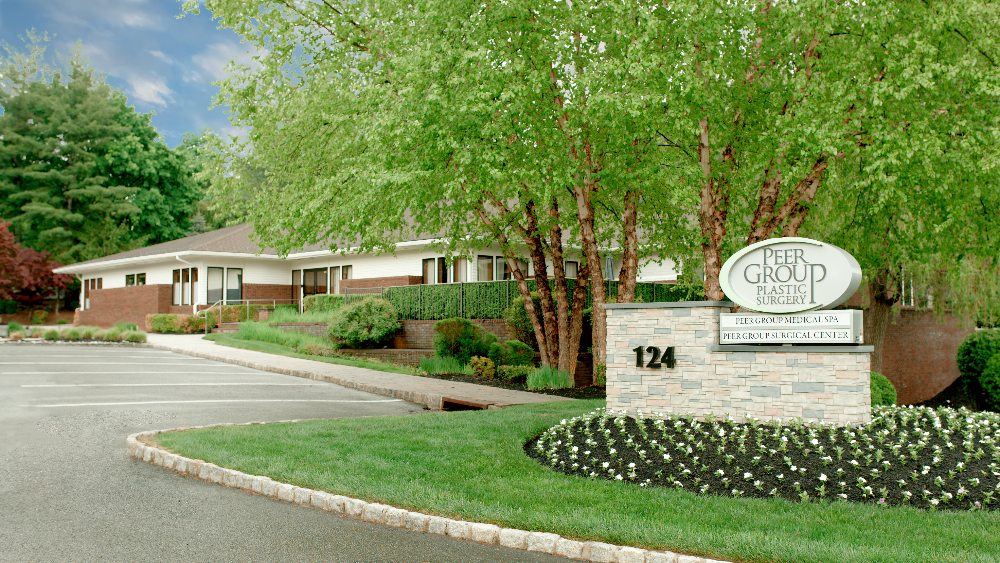
Consultations offered at our two convenient locations in Florham Park, NJ and Somerville, NJ

Enjoy The Benefits Of Customized Exfoliation In New Jersey
Your skin is a strong protective barrier for your body, but the process of everyday living alone takes a toll on its health and appearance. Along with damage from exposure to sunlight and chronological aging, your complexion is routinely subjected to the negative effects of dirt, toxins, air pollution, strong chemicals, physical pressure, emotional stress, alcohol, and changes in weather. Many people find that their skin becomes dull, washed out, and blotchy as a result—to the extent that at-home skin care products don’t work to improve anything. If you’ve always wanted a glowing complexion, chemical peels from New Jersey’s The Peer Group are one of the most effective solutions for improving the tone and texture of your skin.
What Are Chemical Peels?
Chemical peels are exfoliation treatments designed to enhance the look and feel of the skin by applying a mild, effective chemical solution to remove the outer, damaged layers while promoting cell regeneration. The skin gradually peels off so that a newer, healthier layer is revealed. They can be used on several areas of the body, such as the face, neck, and hands, and even are safe for the fragile skin around the eyes and mouth.
Chemical peels have many benefits, including smoothing fine lines and wrinkles, reducing signs of sun damage and premature aging, improving mild scars, relieving symptoms of some types of acne, reducing the redness of rosacea and the appearance of enlarged pores, and lightening pigmentation such as age spots, freckles, and melasma. The goal is to create a more even skin tone.
There are three types of chemical peels that may be used: superficial peels, medium-depth peels, and deep peels. Our team will help you decide on the best type of peel for your skin concerns during your consultation.
Procedure
Chemical peels are an in-office and outpatient procedure. During the treatment, an exfoliant acid is applied directly to thoroughly cleansed skin, starting with small areas. Salicylic acid or glycolic acid are typically used.
Patients may experience a burning or stinging sensation for a few minutes, but this fades—especially for treatments when the chemical solution is neutralized and washed off.
Recovery
The strength of the peel determines the length of recovery. A superficial or medium peel requires minimal to no downtime, as only light peeling occurs. Deeper peels, like TCA, can take five to seven days to fully exfoliate.
Cold compresses, pain medication, and a solution may be used on the skin to provide relief from the discomfort for more intense treatments.
Results
Peeling, redness, and swelling can continue for anywhere from a couple days to a couple weeks after a chemical peel. When the skin has healed, patients will notice that it looks smoother and more even in tone.
Note that your skin will be hypersensitive to sunlight for a couple weeks. It’s recommended that patients take sun protection measures such as wearing SPF 30, broad-spectrum sunscreen each day, wearing hats and sunglasses, and limiting the amount of time they spend in the sun when the rays are strongest.
Costs
When you meet for a one-on-one consultation with our physicians, they will explain all aspects of the procedure, including cost. The specifics involved in each procedure vary depending on the patient, so it is best to have any questions you have regarding pricing, payments, and other information answered directly by a member of our team.
Other Skin Care Options
The Peer Group provides a variety of professional skin care services in addition to chemical peels, including microdermabrasion that also helps to remove dirt and dead skin that clogs the pores, dermaplaning for reducing fine hairs on the skin, microneedling for promoting collagen production within the skin, and HydraFacial® and DiamondGlow® treatments to exfoliate and nourish the skin. Patients who simply want to reduce facial wrinkles and are less concerned about pigmentation or other concerns may want to consider nonsurgical neuromodulators or fillers, or even surgery, such as a facelift.